Experts and scholars at home and abroad are discussing photography education: who is more important, science or art?
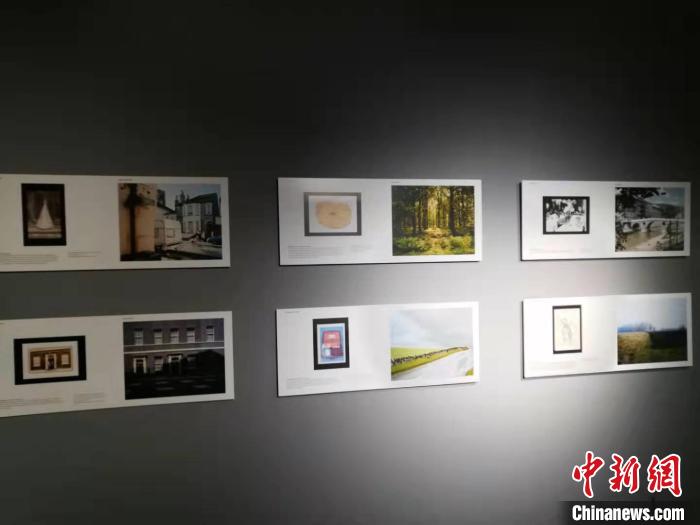
Photograph by Zhou Yulong
Lishui, November 9 (Reporter Zhou Yulong) In photography education, can science and art be mentioned in the same breath? Faced with this important proposition, experts and scholars at home and abroad have conducted some discussions.
From 8th to 9th, a seminar on "Photography Education in Dialogue between Science and Art" was held in Lishui, Zhejiang. The guests at the meeting revolved around "Today, when technology and art are deeply integrated, how can photography education develop?" "In the era of popular photography, how can photography education continue to be deeply rooted in people’s hearts?" "What opportunities and challenges does photography education face in the era of artificial intelligence?" And other issues, to preach, teach and solve doubts for photographers around the world.
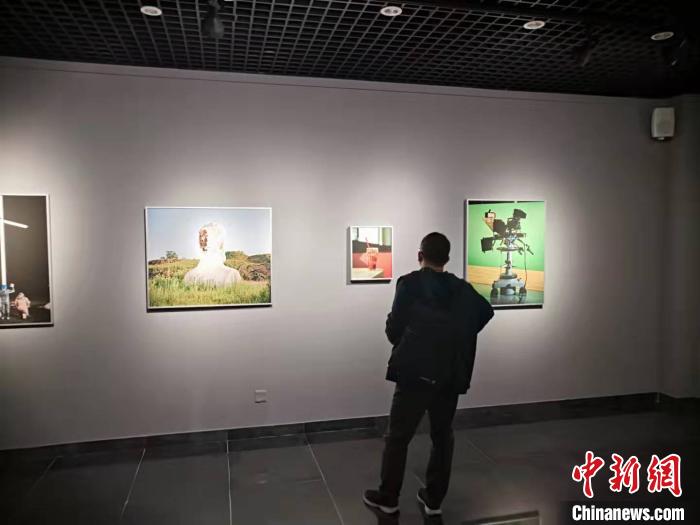
Watch photography. Photo by Zhou Yulong
"Nowadays, digital images, AI and VR technologies have deepened our addiction to images and created more arbitrary visual effects. It is inevitable that people are worried that imaging technology will completely control our visual experience and then transform our psychology, thinking and society. " Yao Zheng, vice president of Zhejiang Media College, believes that how to reform the film and television education in universities is an unavoidable practical problem.
For example, in China, almost everyone will be familiar with all kinds of Mito software. Some people even say that any selfie that is sent to a circle of friends without a beauty filter is hooliganism; Nowadays, there are hundreds of millions of people with cameras, who can take photos, transmit photos, spread information and express themselves in public anytime and anywhere … … So, as far as this is concerned, does it need photography literacy education just like writing?
Su Zhigang, dean of the School of Audiovisual Media of Beijing Film Academy, believes that we should pay attention to the influence of technological evolution and turn challenges into innovative forces in photography education. Return to the original intention of photography education and creation from the perspective of humanism.
"We should start from people themselves and perceive the world, life, others and even fate from our works. In this way, we can form valuable, visionary and broad life beliefs and externalized photography works driven by some reflexive psychology." Su Zhigang said.
Professor Yasuya Shirase of kyushu sangyo university thinks so. He said that the purpose of photography education is not only to learn technology, but also to express the joy and cultivate the mind that can feel the subject. "The greatest ability that human beings have is imagination and creation, and it is precisely because human beings have this feeling."
Liu Yajing, from Qingdao University, believes that the current higher photography education in China is technology-oriented, and gradually emphasizes the importance of creation.
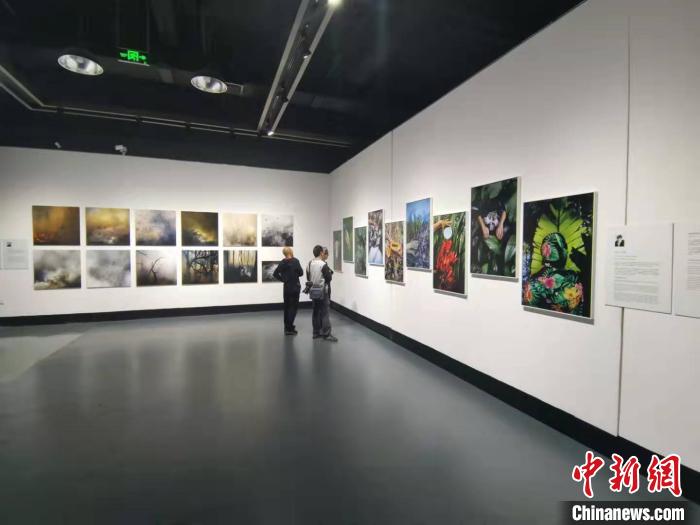
Shocking works, photo by Zhou Yulong
"However, due to the over-emphasis on the ontological consciousness of photography, the role of photography in the cultural field and its integration with other cultural forms have been neglected." Liu Yajing said that the future photography education should serve the society, not a certain field; It should be based on the idea of creation within the framework of social science, not elaborate technological achievements.
Ji Weige, Chairman of the Professional Committee of Photography Education of China Higher Education Society, expressed the hope that this meeting could be used as an opportunity to help domestic universities build a sustainable multi-level and diversified international academic exchange and cooperation mechanism for photography education, and to promote our photography education to maintain and upgrade its internationalization and modernization level.
It is understood that the "International Symposium on Photography Education" will be held as a long-term project and is committed to becoming a high-end academic brand of photography education.